2026 Kia K4 Hatchback GT-Line Turbo Tested
At first glance, this guy was actually a little fierce?
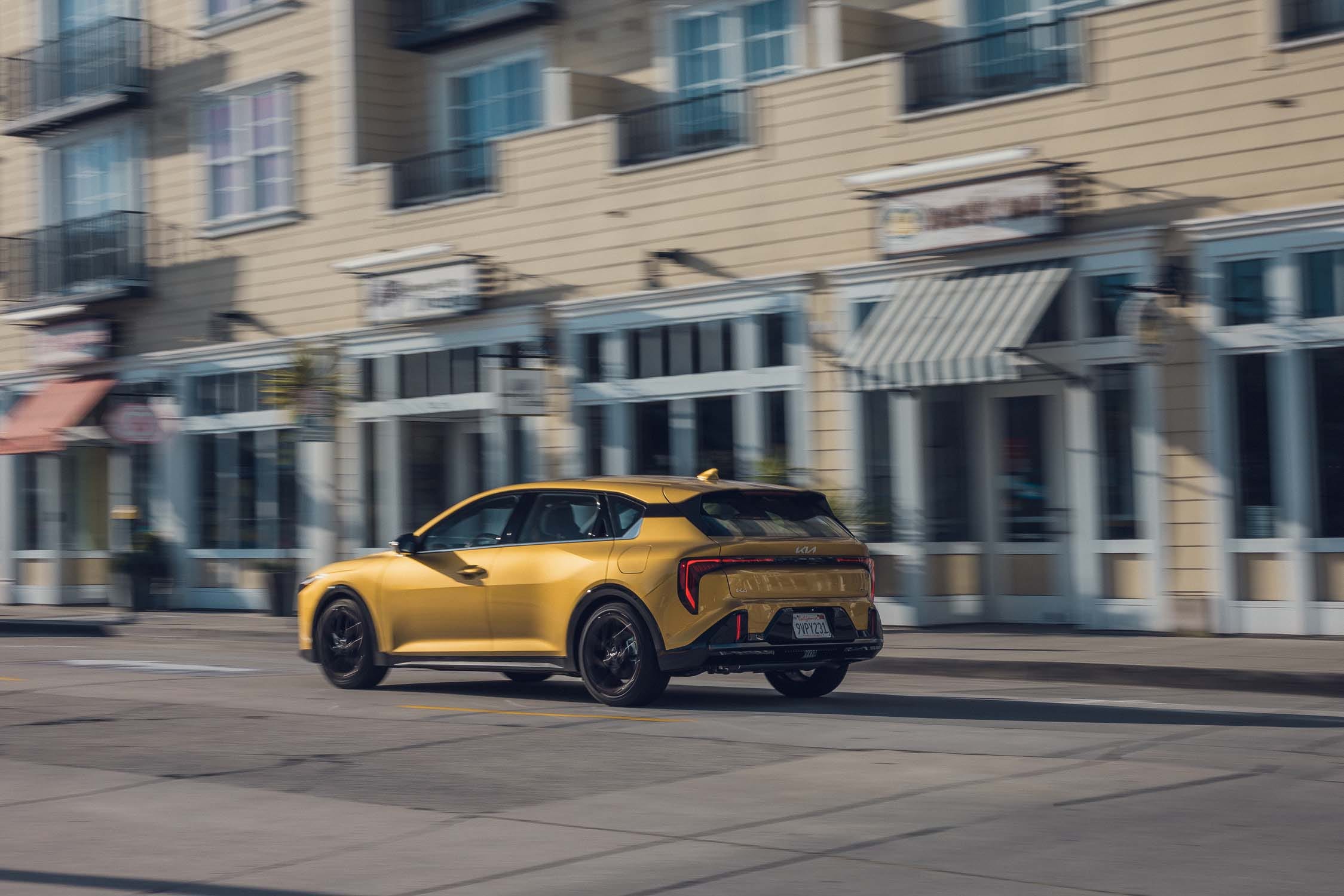
Well, I admit, I didn't have high expectations for the K4 at first-after all, nothing has been produced in the history of Kia's compact hatchbacks that makes your heart beat. But when you really stand in front of this GT-Line Turbo, the lines of the Tiger-Roaring grille are as sharp as someone has cut it with a knife. Coupled with the slender LED daytime running lights, the entire front face actually exudes a "Don't mess with me" ruffishness. The side slip-back shape is short and powerful, the 18-inch wheels are stuffed, and the duckling tail and diffuser at the rear are the finishing touch-this design language is nowhere near the previous generation Fort5!
Sitting in the car, has Kia finally learned to feel advanced?
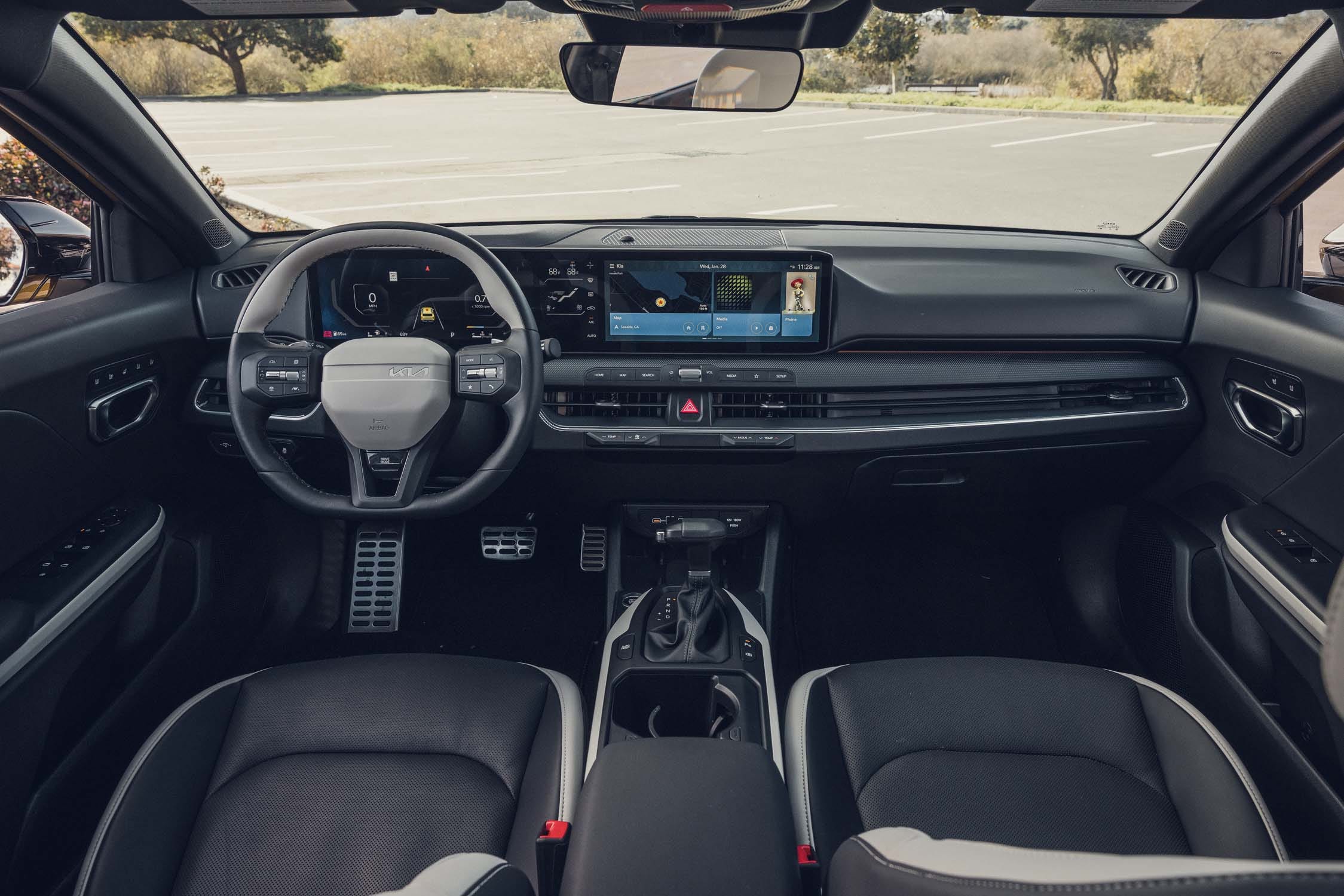
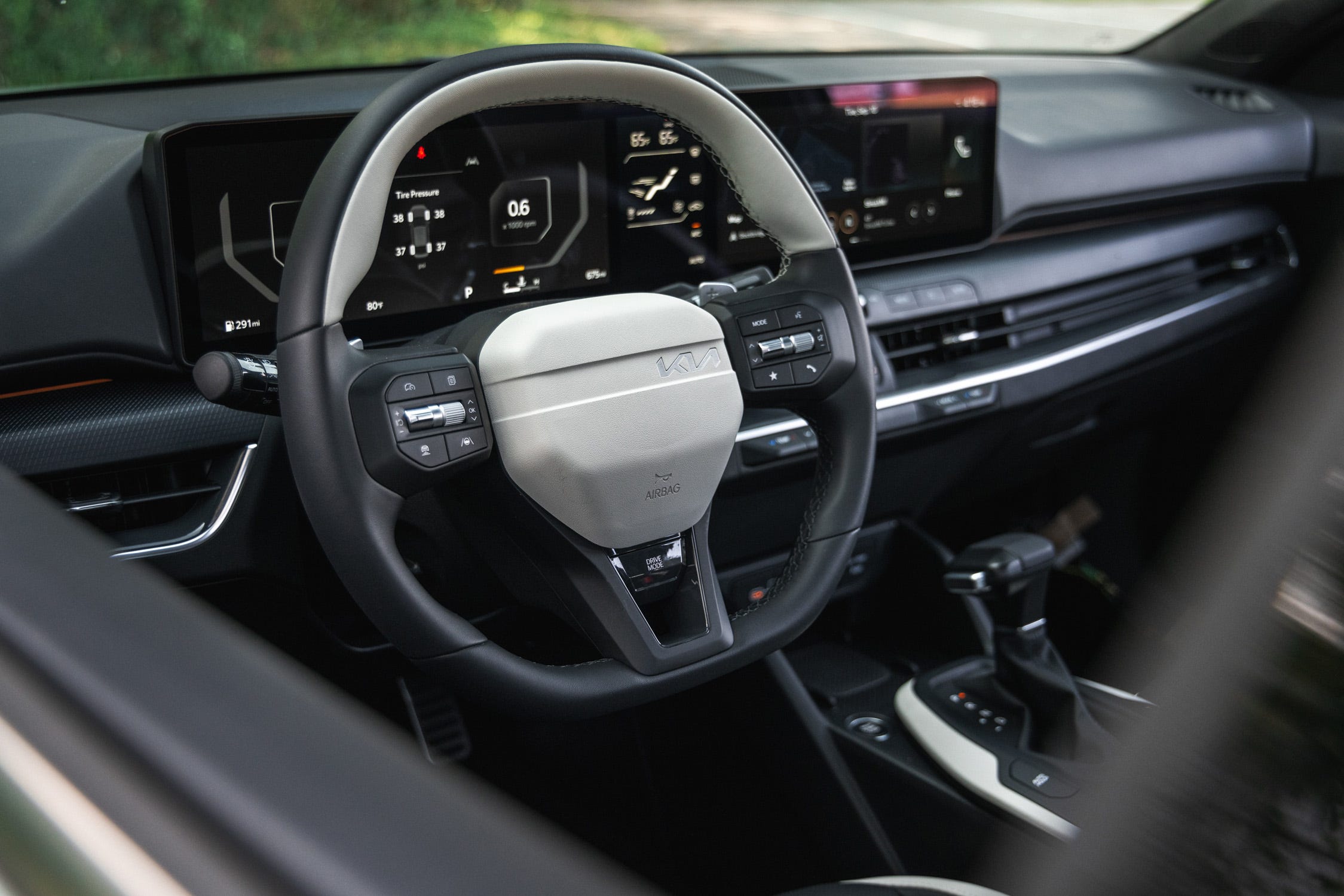
As soon as I opened the door, I was stunned by the dual screen-a 12.3-inch instrument panel and a central control screen of the same size, which were visually connected, and the resolution was so high that every small alley on the map could be clearly seen. The key is the material! The top of the center console is soft enamel plastic. The place where the elbows of the door panel touch is actually made of something similar to turned fur, and the stitching is also dotted with red embellishments. The GT-Line's exclusive three-spoke flat-bottom steering wheel has a thick grip, and the shift paddles are made of metal and have a crisp click sound. The only thing that made me frown was the touch air conditioning panel-although it looked clean, blind exercise while driving was a disaster, and the fingerprint collector lived up to its reputation. The back space was a surprise. I was 178 tall and had two punches left in my knees. My head didn't have a head because of the hollowed out design of the panoramic sunroof, but the cushion was slightly shorter.
Open it? This 1.6T is actually crazy
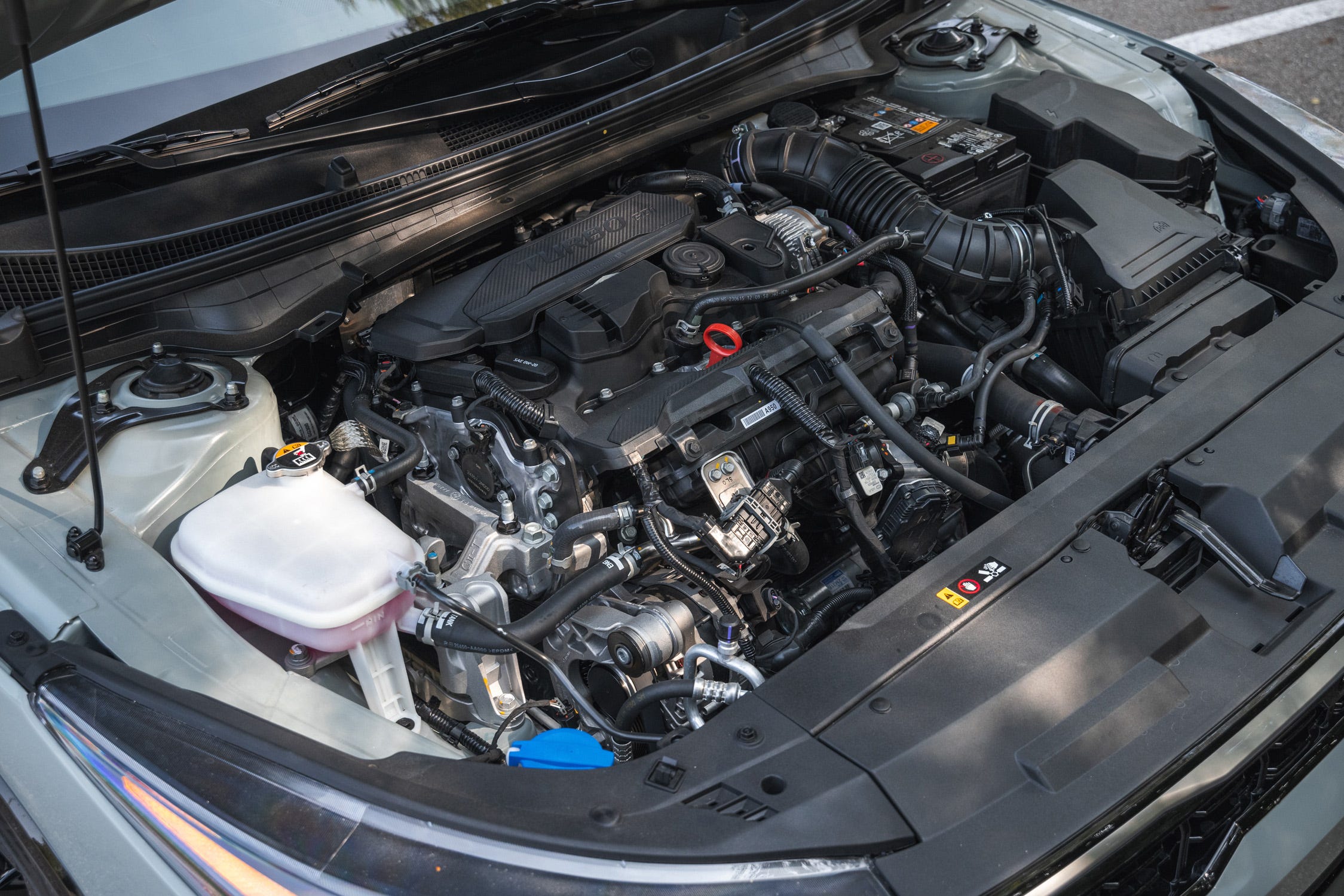
Here comes the point! This 1.6-liter turbocharged four-cylinder engine has an official output of 200 horsepower? In fact, when the accelerator is pressed to the bottom in the dynamic mode, the feeling of pushing the back comes quickly and smoothly, and the seven-speed dual clutch shift is so decisive that there is almost no power interruption. The acceleration time measured by Car and Driver is about 6.7 seconds-I even feel like it could be a little faster! Although the sound when the speed reaches the red line has been electronically processed, the low and slightly roaring feeling, coupled with the slight sound of turbine deflation, actually makes even old-school self-priming enthusiasts like me a little waver. The dual clutch is still a little hesitant at low-speed stop-and-go, especially when it is cold, but the overall ride comfort is much improved compared with Kia's dual clutch a few years ago.
Chassis and steering, there are surprises and slots
To be honest, I thought this car would be like most Korean cars, comfortable but unclear to control. Result? The front suspension support is quite good at high-speed cornering, and the body roll is controlled much less than I expected. The steering setting is a little light and electronic in normal mode, but after switching to Sport mode, the sense of weight and righting torque become solid. Although the directivity cannot be said to hit where you point, it is enough for you to laugh on the mountain road. However, road noise and tire noise are still a bit obvious at medium and high speeds, especially on a rough asphalt road, with rumbling in the carriages-it seems that the soundproofing materials are still not willing to fill up. When the chassis passes the speed bump, the rear axle will have a slight lateral swing, which is a small buckle.
Wait, this thing is actually quite fuel-efficient?
The measured comprehensive fuel consumption is about 7.8 liters per 100 kilometers-you know, I often step on the red line! If you drive gently, the 8-speed automatic version (sorry, the GT-Line Turbo only has a 7-speed dual clutch) is estimated to be half a liter lower. Kia's intelligent cruising and lane keeping also performs well at high speeds. Although it occasionally corrects left and right in the lane, at least it does not draw a snake like some German cars. Automatic emergency braking in the city is responsive. Once the car in front suddenly braked, the system warned and braking in one go, but no collision was triggered. While scaring me out in a cold sweat, I also silently praised it.
Finally, a few words: Is it worth buying?
The starting price of the 2026 Kia K4 Hatchback GT-Line Turbo is estimated to be around US$25,000, which is a lot cheaper than the Honda Civic Si hatchback of the same class, and US$10,000 cheaper than the Volkswagen Golf GTI. Although the performance is definitely not as good as those small steel cannons, it is definitely enough for daily driving fun, and the configuration is not like a car at this price: front heated and ventilated seats, wireless charging, Bose audio, 360-degree panoramic images, and even Semi-automatic driving assistance. The only thing that troubles me is that the touch buttons in the interior are easy to reflect light and cannot be seen clearly in the sun, and there is only one USB-C interface in the back row? It's 2026, Kia, are you serious? In short, if you want a new car that is handsome, runnable, and not too expensive, this K4 is definitely worth a test drive-don't forget to turn off the ESP and start with floor oil in the open. The feeling of the front wheel slipping briefly and grabbing the ground in an instant can be addictive.