
2026 Nissan Rogue PHEV Is a Stopgap Rebadge
First Impressions: Wait, That’s It?
Okay, let’s be real for a second. When I first heard Nissan was finally stuffing a plug into the Rogue, I got a little excited. Like, *finally* — the compact SUV that sells like hotcakes is going green-ish, right? Then I saw the specs. And the badge. And the… everything. This thing is basically a Mitsubishi Outlander PHEV with a Nissan badge slapped on, and it shows. The styling is sharper than the Mitsu, sure, but the proportions scream “parts-bin special.” The charging port is on the wrong side for most home garages, and the battery range? A paltry 30 miles on a good day. For a 2026 model? That’s stopgap energy, folks. It feels like Nissan panicked and raided their alliance partner’s leftovers instead of cooking up something original. Disappointing? Yeah, a little.
Under the Hood: Meh-tivational
Pop the hood and you’ll find the same 2.4-liter four-cylinder and twin electric motors that power the Outlander PHEV. Combined output is around 248 horsepower — not bad, but the way it delivers power is… weird. You stomp the accelerator, and there’s this half-second lag before the electric motors kick in, then the gas engine screams like it’s being asked to do its taxes. The CVT (yes, still a CVT) drones on like an old vacuum cleaner. In EV mode it’s quiet and smooth, but the moment you ask for full throttle, the whole thing falls apart. Ride quality is okay — suspension soaks up bumps better than the standard Rogue — but the steering is numb and the brakes feel grabby. It’s not *bad*, just… forgettable. And for a PHEV in 2026, forgettable is almost worse than bad.
Inside the Cabin: Familiar Comfort, Frustrating Tech
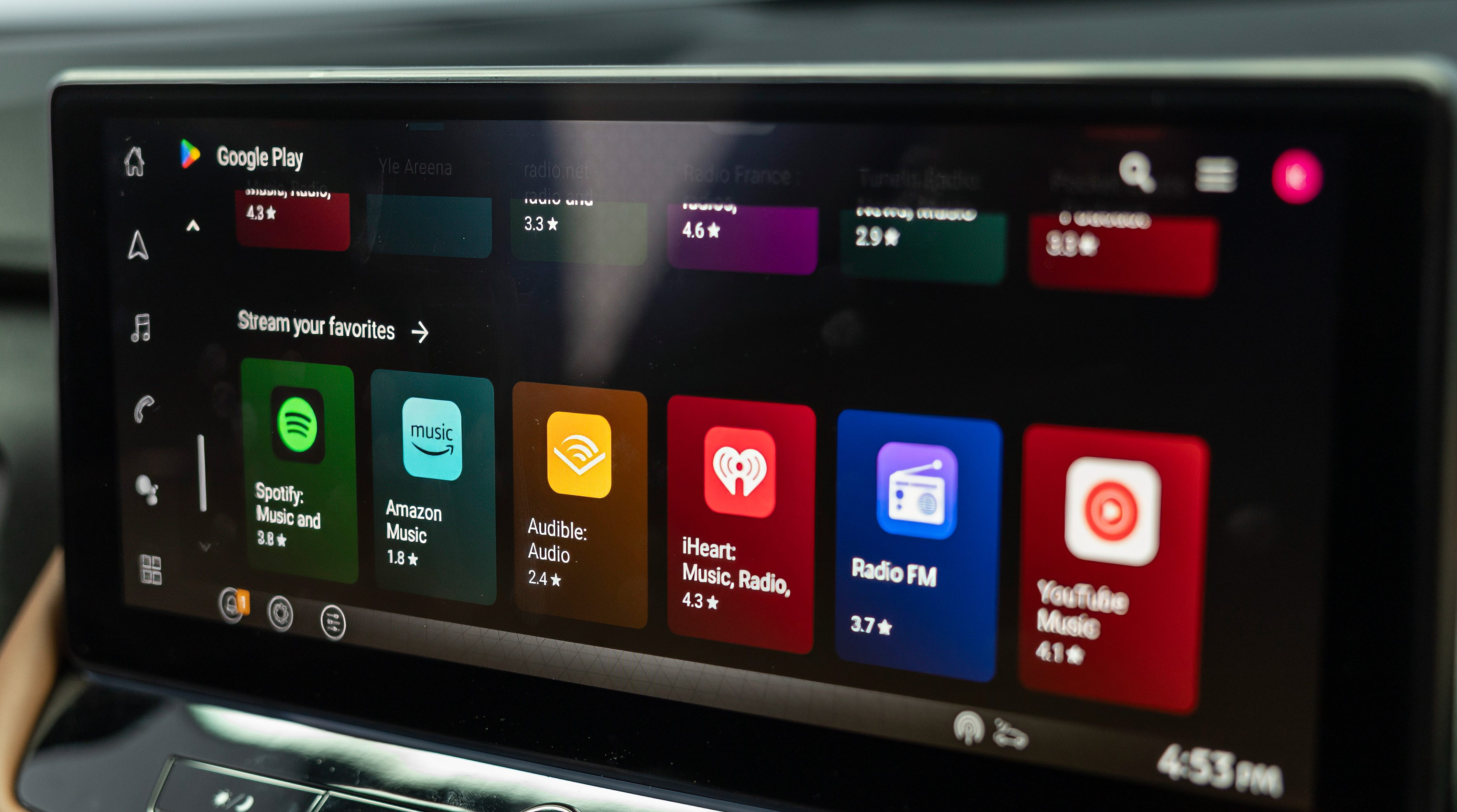
Step inside and it’s mostly the same Rogue interior you know: comfortable Zero Gravity seats, decent rear legroom, and that split-level center console thing. But the infotainment screen is laggy — like, 2018-laggy — and the graphics look dated. The digital gauge cluster tries to be fancy but feels like an afterthought. There are hard plastics everywhere, and the fake wood trim on higher trims just looks sad. At least the interior is quiet on EV mode, and the climate control works well. But for a $38,000+ vehicle (estimated), you expect more than a rebadged Outlander with Nissan seats. The cargo area is slightly bigger than the Mitsu’s thanks to a redesigned floor, but that’s about the only win. Honestly, unless you absolutely need a PHEV badge on a Nissan, the regular Rogue (or the Toyota RAV4 Prime) is a smarter buy.
Final Thought: Who Is This For?
I struggle to find the audience for the 2026 Rogue PHEV. It’s too expensive for budget-conscious buyers, too compromised for enthusiasts, and too late to impress early adopters. It exists because Nissan needs to meet fleet emission targets without investing in a ground-up EV. So they took the Mitsubishi parts bin, added a Nissan grille, and called it a day. The driving experience is lukewarm, the tech is behind, and the whole thing smells like a placeholder until something better comes along. If you’re cross-shopping, go drive the RAV4 Prime or even the Ford Escape PHEV. You’ll smile more. This Rogue? It’s a rental car with a plug. And that’s kinda sad, because Nissan used to be adventurous. Now they’re just… surviving.