Porsche 911 Carrera T Tested: History in Your Hand
First impression: a talking machine
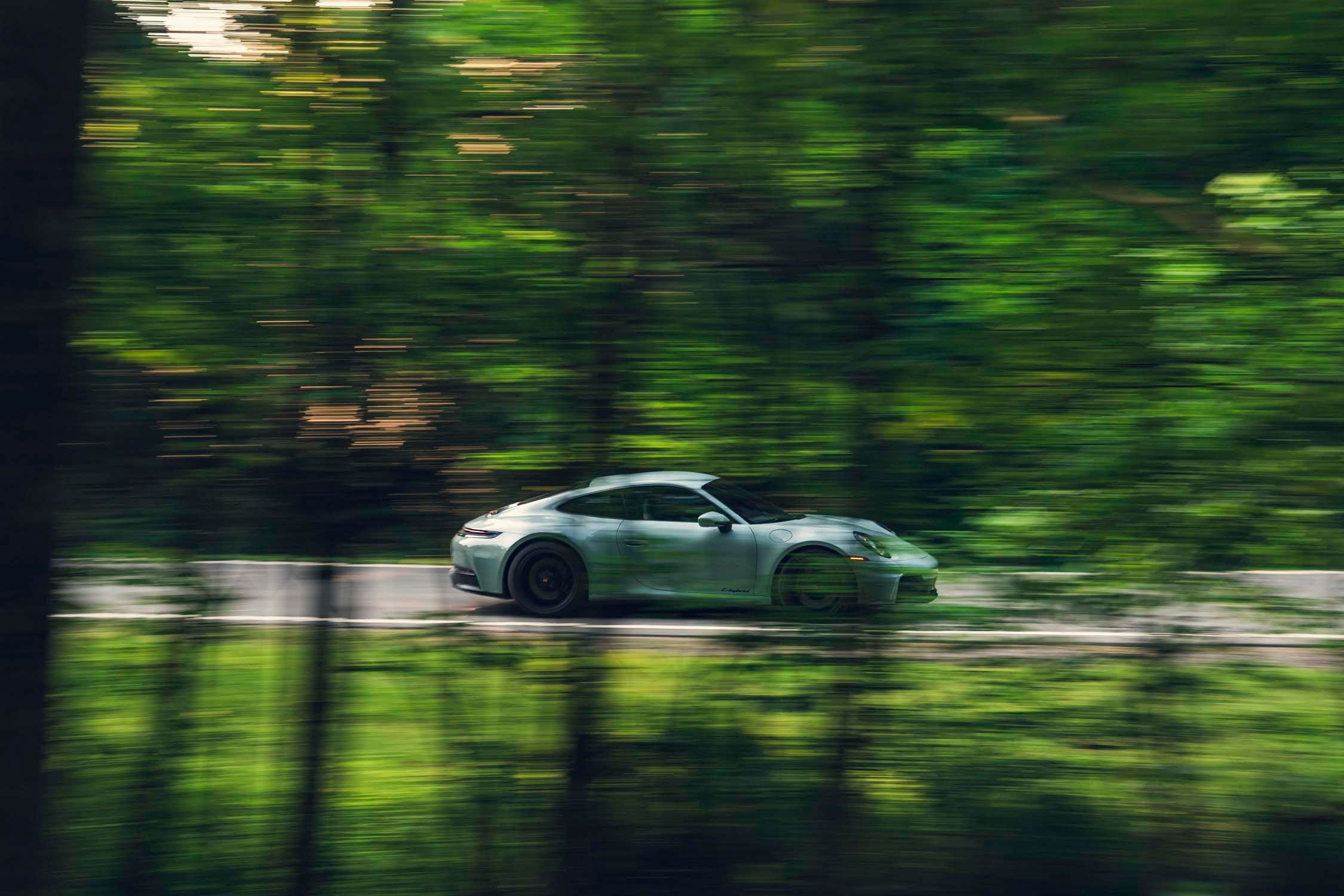
The moment I sat in the driver's seat, I suddenly realized-this thing is not talking to you, it is arguing with you. In the 911 Carrera T, Porsche redefined the word "Touring" as "pure to a bit unreasonable." When you touch the steering wheel, you can feel every grain of sand between the tire and the road. The fine vibration is transmitted into your brain from your fingertips, like an old-school mechanical watch ticking in your ear. Oh, by the way, the test drive car chose Long Beach blue metallic paint. It's so blue in the sun, but you just can't take your eyes off. The slender waistline behind the B-pillar is like a cat ready to pounce on food, lowering its body and tightening its muscles. Sense of history? This car is a history textbook for walking, but when you open the first page, you find that the words are engraved on it with a drive shaft.
Interior: Less is more, but less is a bit harsh
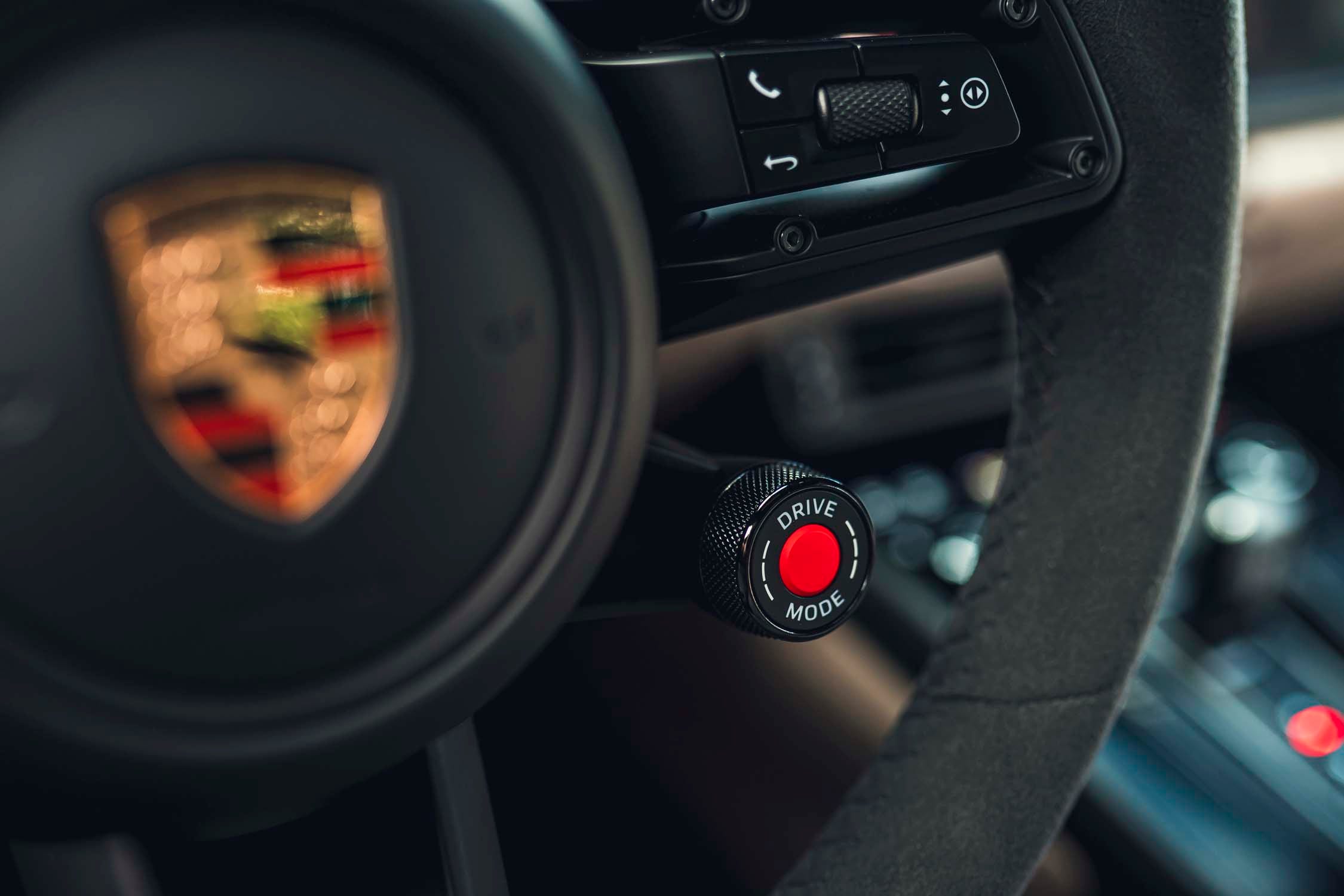
The moment I pulled the door open, I froze for a moment-this interior... is it too "simple"? Porsche actually removed the rear seats (optional option is free!), Even the cover of the glove box is omitted? Well, the Carrera T is not for you to enjoy, it is for you to "endure". But think about it, the coolness of the bare shift lever-the metal ball head of a six-speed manual transmission-makes your heart beat faster than any real leather. That small screen on the center console? It doesn't matter, you just need a tachometer. The air conditioner is a manual knob without the interference of a large screen. The entire cockpit is like a cleaned gym, with only the core equipment left. I even think that the air conditioning outlet is laughing at those fancy electric vehicles: twist, twist it, how primitive it is. This kind of minimalism is addictive.
Manual transmission: Not fast, alive
To be honest, the Carrera T's 0-60 mph acceleration takes about 4.5 seconds-more than a second slower than the PDK version. But who cares? Every time you step on the clutch, the mechanical engagement feeling, coupled with the roar of the engine in your ear, your right hand will unconsciously stay on the ball head for half a second longer when changing gears, as if saying thank you to the gearbox. Porsche deliberately adjusted the gear ratio closer to keep you busy in the city-second to third, third to fourth, and then you have to drop back. You may curse: this thing is self-abuse when driving long distances. But when you turn the rpm to 7000 rpm, lower the window, and listen to the hoarse, grainy sound of a horizontally opposed six-cylinder machine, you suddenly understand why someone is willing to spend hundreds of thousands of dollars for a car without a rear seat, manual air conditioning, and even power seats. Because it doesn't give you "autonomous driving", it gives you "manual driving". What you hold is not just a stop bar, it is the soul of September 11 for half a century.
Chassis and suspension: hard to the cervical spine? That's tame.
When you drive this car down bad roads, your spine will make a written protest. The shock absorber has been adjusted to be harder than the standard Carrera, and the spring has been 20 mm shorter. With the active suspension system, passing the speed bump is like fighting a concrete road. But Porsche is very "bad"-they turn this hardness into a tame tool. When the rear wheel steering and torque vector system are working, the rear of the car will actively twist towards the center. With the steering wheel in your hand, the whole car becomes like a scalpel: wherever you cut, it will cut. I tried a mountain road, and at the second and third corners, I felt the rear wheel sliding slightly, but it was by no means out of control-the feeling of adhesion was like the tactile feedback of you writing on a blackboard with chalk. Limit? It's high, but what's more attractive is the process of approaching the limit. You can't help but laugh out loud, and your copilot friend calls you crazy. You reply to him: "This is what a Porsche should look like."
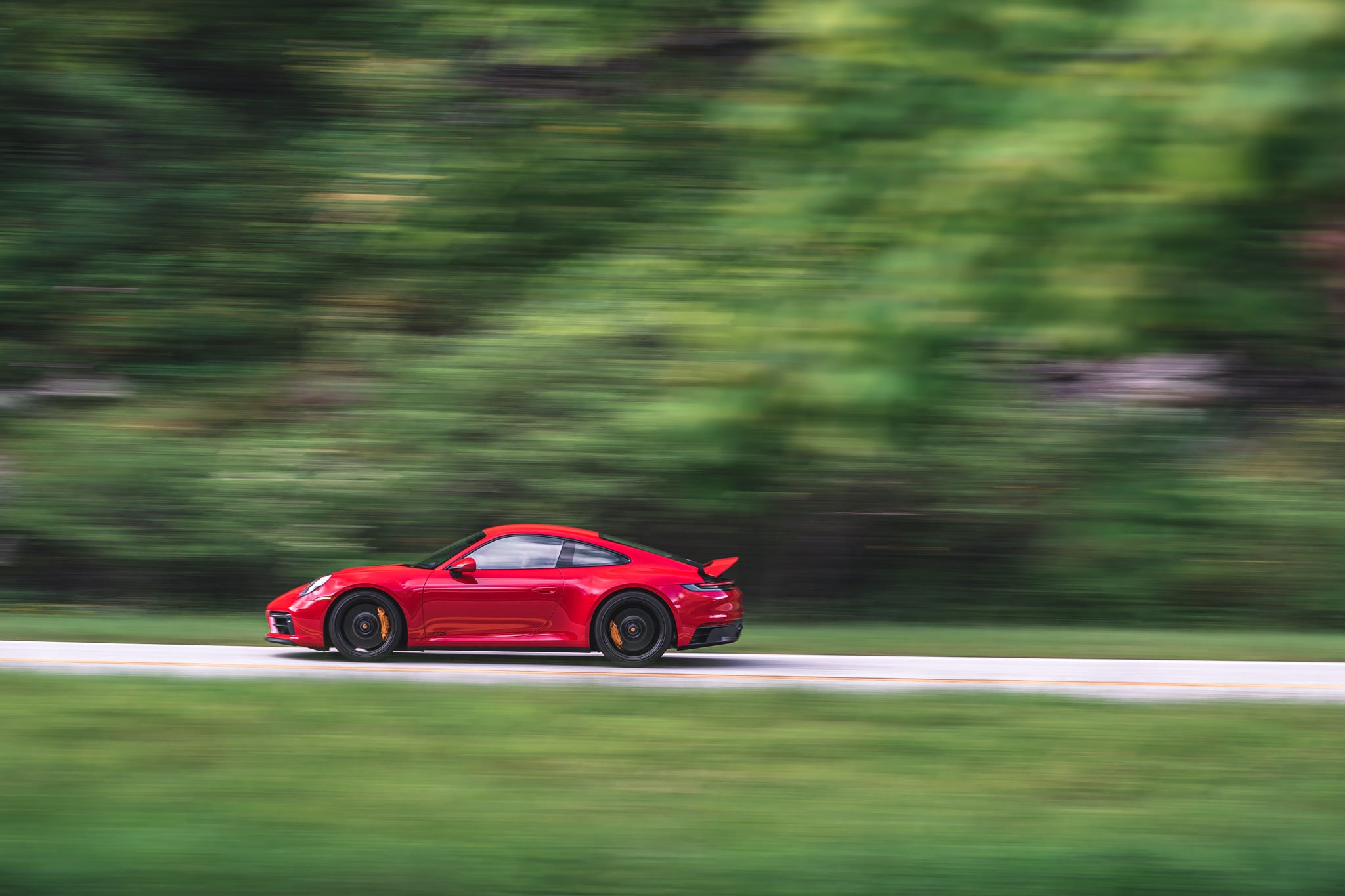
History and modernity: The dislocation of the times holding the steering wheel
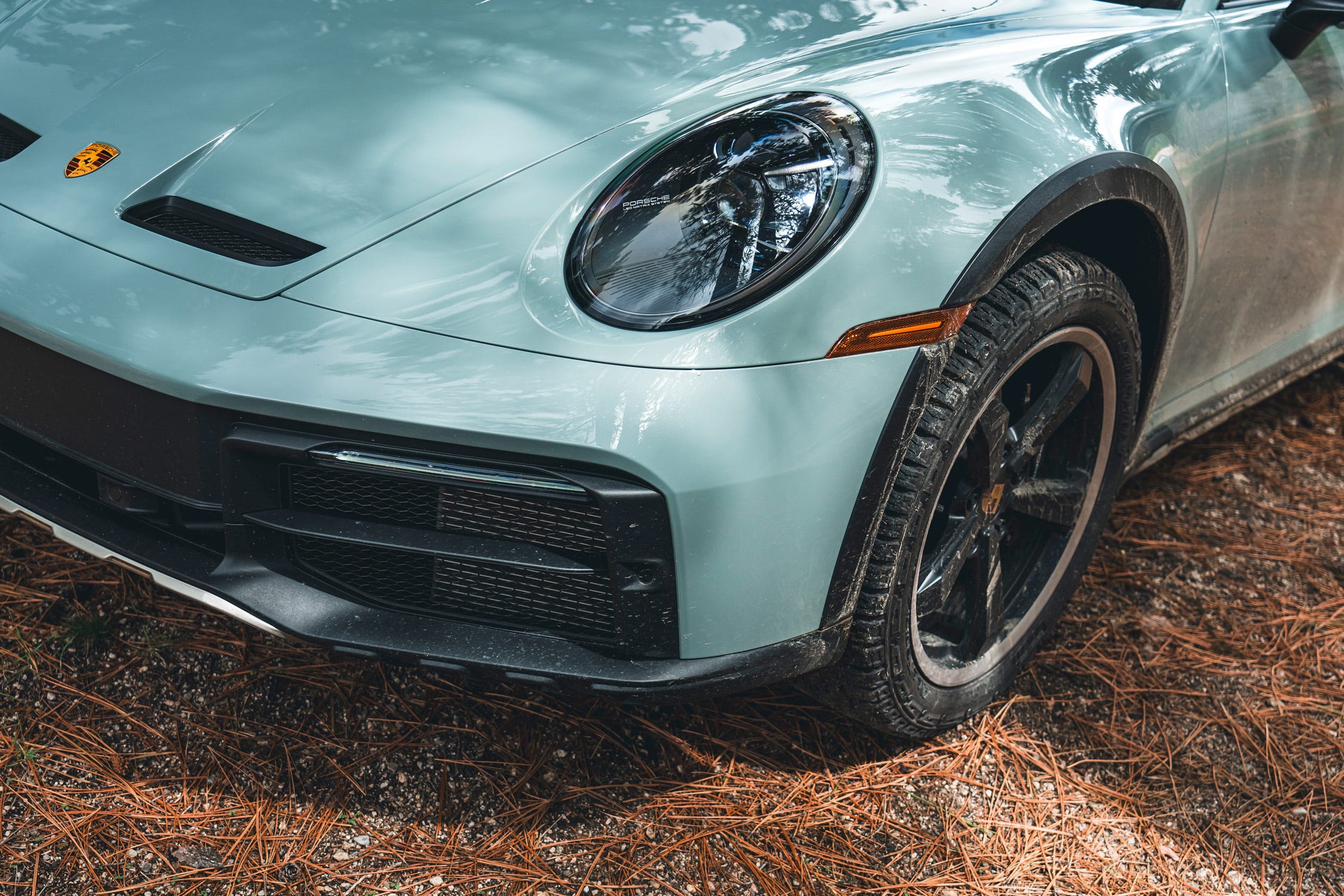
You know what? The price of this car is already approaching the US$140,000 mark (after optional selection), which is nearly 20,000 more expensive than the basic Carrera. But instead of those flashy chrome trim, you get a "slimmer" version of the 911 that has lost about 45 kilograms, has a more direct steering ratio, a harder suspension, and exclusive gray forged wheels. When did Porsche still do this? In this era when the wave of electrification is sweeping everything, they dare to launch a supercar that even CarPlay requires optional options and the back seat exists purely through courage. This is not just feelings, it is stubborn romanticism. Driving a Carrera T on the road, you'll feel like all the electric cars around you are like mobile phones-upgrades and iterations are numbing fast. And it is like a mechanical film camera: the shutter sound is hoarse, there are dark corners in the viewfinder, but every photo you take is focused by you yourself. History is in the palm of your hand. Every time you change gears, there is a sigh and a cheer.